Cities don’t happen by accident. They’re shaped by decisions—where to place roads, how to balance industry and housing, when to expand public transit. Building city games online tap into that fascination, turning urban planning into accessible, engaging experiences anyone can try in a browser.
No longer restricted to high-end software or academic simulations, these games bring complex city dynamics to casual players, educators, and aspiring planners. Some mirror real-world constraints like zoning laws and pollution; others prioritize creative freedom. But all share a core loop: design, manage, adapt.
Whether you’re playing to unwind, teach students about civic systems, or test urban theories, the best online city builders strike a balance between depth and accessibility. Here’s how to find the right one—and how to get the most from it.
Why People Play Building City Games Online
The appeal isn’t just about placing roads and watching tiny cars move. It’s about control, consequence, and creativity.
Players engage with city-building games online for several reasons:
- Creative expression: Turn a blank map into a bustling metropolis with unique layouts, landmarks, and architectural themes.
- Problem-solving: Tackle traffic congestion, pollution spikes, or budget shortfalls with strategic upgrades.
- Educational value: Learn how infrastructure, taxation, and zoning affect quality of life.
- Stress relief: Many find the slow, methodical pace meditative—especially in sandbox modes.
A 2023 survey by GameAnalytics showed that 41% of city-building players use browser-based versions during short breaks at work or school. The accessibility matters: no downloads, no install, just click and build.
But not all games deliver equal depth. Some prioritize visuals over mechanics; others overload players with sliders and menus. The best sit in the middle—intuitive but meaningful.
Top 5 Building City Games Online (Free & Premium)
Here’s a curated list of standout titles that run directly in your browser or via lightweight clients. All support real city-building mechanics, from zoning to disaster response.
| Game | Platform | Free/Paid | Best For | Key Features |
|---|---|---|---|---|
| SimCity BuildIt | Browser, Mobile | Free (with IAP) | Casual players, mobile gamers | Smooth interface, social competitions, progressive unlocks |
| Cities: Skylines II (Web Demo) | Browser (via cloud) | Free demo / $49.99 full | Serious urban planners | Advanced traffic AI, detailed zoning, mod support |
| Urbanology | Browser | Free | Education, classroom use | Scenario-based challenges, environmental focus |
| TerraGenesis – Cities | Browser, Mobile | Free + Premium | Sci-fi and futurism | Build on Mars, adjust planetary conditions, terraform |
| Democracy 4 (Browser Beta) | Browser | $29.99 | Policy-driven gameplay | Simulate government decisions, election impacts, economic models |
Each of these offers a distinct flavor of city-building:
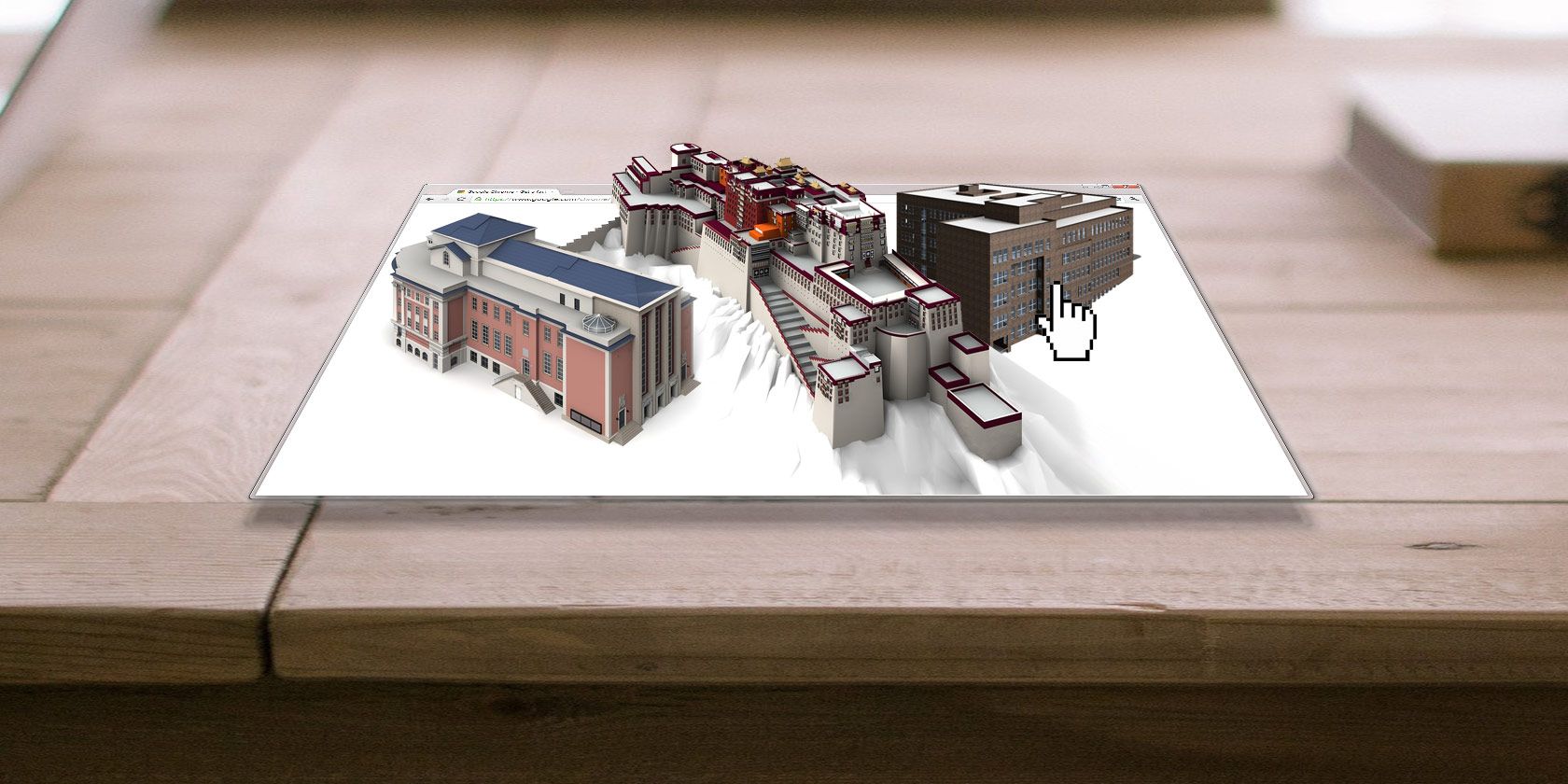
- SimCity BuildIt is ideal for quick sessions. You design districts, manage supply chains, and compete in mayor challenges. While monetization can feel aggressive (boosts cost real money), the core loop remains satisfying.
- Cities: Skylines II’s web demo gives a taste of what makes it the gold standard: deep simulation. Traffic follows realistic patterns, citizens have individual routines, and pollution spreads based on wind and water flow. The full version requires a robust PC, but the cloud demo lets lower-end devices participate.
- Urbanology stands out in classrooms. Teachers use it to simulate pollution control or housing shortages. One high school in Portland uses it to teach climate resilience—students must rebuild a coastal city after a hurricane, balancing flood barriers with affordable housing.
- TerraGenesis – Cities pushes boundaries. You’re not just building; you’re adapting an entire planet. Adjust temperature, oxygen levels, and sea coverage before placing your first residence. It’s less about municipal budgets, more about survival in extreme environments.
- Democracy 4 shifts focus from bricks to policy. You don’t draw roads—you set tax rates, education funding, and public transit subsidies. It’s a building game in spirit: every decision shapes the city’s evolution.
How Online City Builders Simulate Real Urban Challenges
The best games don’t just let you place buildings—they make you manage them.
Here’s how modern online titles simulate real-world complexity:
Traffic Flow & Commuting Patterns In Cities: Skylines II, cars aren’t just animated sprites. Each has a destination, a route, and reacts to congestion. If you build a dense residential zone with no public transit, roads clog. Citizens “complain” via in-game alerts, and commerce slows.
Pro Tip: Use one-way roads and roundabouts early. They reduce bottlenecks far better than traffic lights.
Zoning and Land Use Zoning determines what can be built—and how it functions.
Most games split zones into:
- Residential (housing)
- Commercial (shops, services)
- Industrial (factories, warehouses)
- Office (low-pollution jobs)
Mismanagement leads to problems. For example, placing industrial zones upwind of homes causes pollution complaints. In Urbanology, this can trigger protests or population decline.
Resource Management Even browser-based games track essentials:
- Water supply
- Power generation
- Waste disposal
- Education and healthcare access
In TerraGenesis, resources are planetary-scale: you need to generate breathable air before people can survive outdoors. In SimCity BuildIt, factories require raw materials from specialized districts.
Disaster Response
Many games include random events: fires, earthquakes, plagues. How you prepare determines survival.
Example: In a Cities: Skylines challenge, players must retrofit a 1950s-style city with earthquake-resistant infrastructure. Success means upgrading building codes and reinforcing bridges—just like real urban retrofitting projects.
Common Mistakes New Players Make
Even seasoned gamers struggle with city dynamics at first. Here are frequent pitfalls—and how to avoid them.
Building Too Fast, Too Soon New players often rush to expand, ignoring foundational systems. Result? Power shortages, sewage backups, or empty commercial zones.
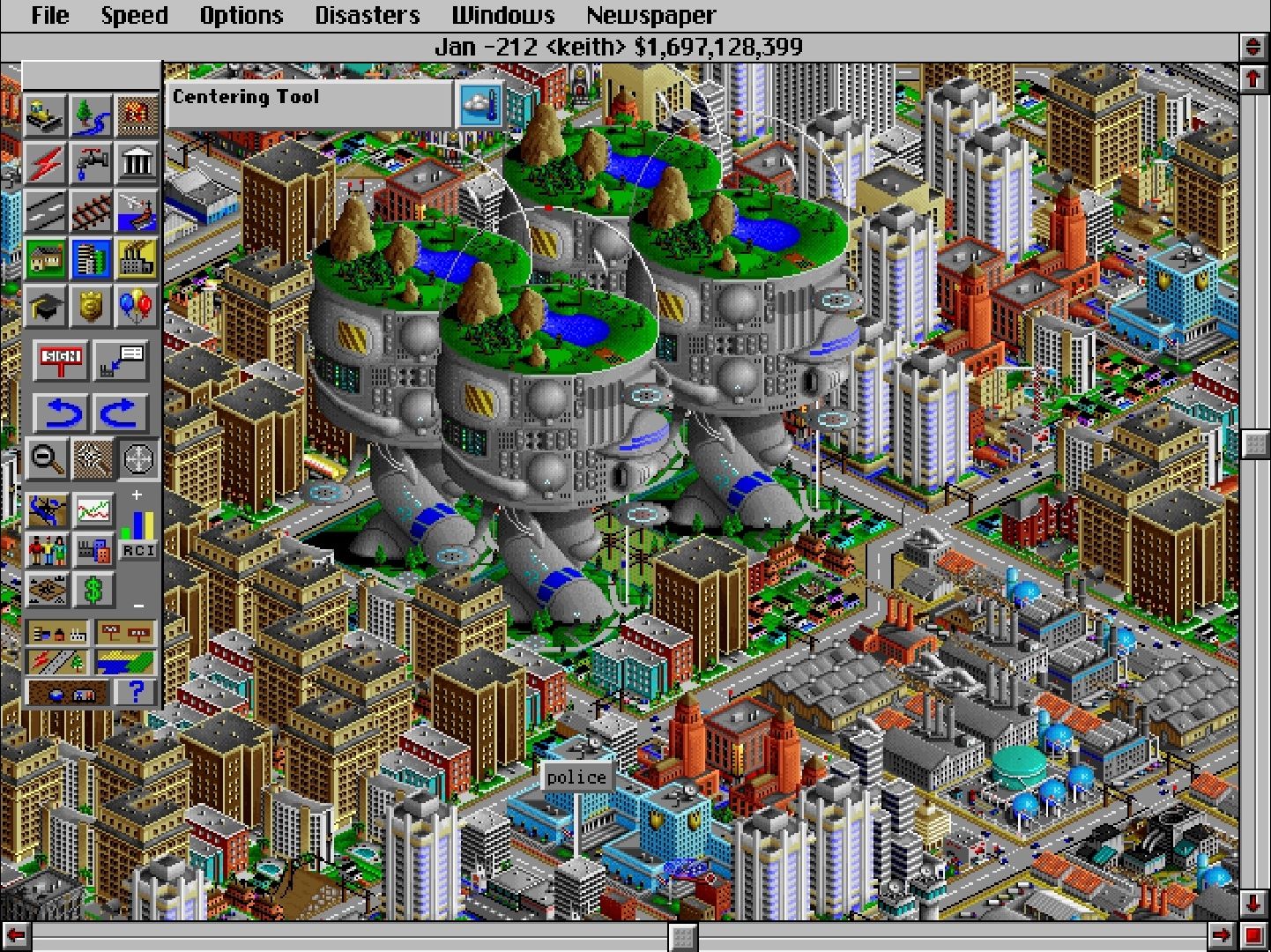
Fix: Stick to a small, self-sufficient starter city. Ensure power, water, and roads work before adding industry.
Ignoring Public Transit Cars seem simple, but they create congestion. Cities
with robust transit systems grow faster and stay cleaner.
Tip: Introduce buses early, then metro lines as population hits 20,000. In Cities: Skylines, this can cut traffic by 40%.
Over-Reliance on Industry Factories generate income—but also noise and pollution. Place them far from homes, downwind, and consider switching to office zones later.
Forgetting the Budget
Many players ignore tax rates and service costs. Overfunding parks while underfunding power leads to bankruptcy.
Use the in-game finance tab weekly. Adjust taxes, cut unnecessary services, and prioritize high-impact upgrades.
Using City Games for Education and Training
Beyond entertainment, building city games online are gaining traction in schools and urban planning programs.
In K–12 Education Teachers use Urbanology and simplified SimCity versions to teach:
- Environmental science (air/water quality)
- Civics (taxation, public services)
- Geography (terrain impact on development)
One middle school project had students design a carbon-neutral city. They had to justify every decision—why solar over coal, why bike lanes over highways.
In Urban Planning Programs Graduate students at ETH Zurich use Cities: Skylines to prototype transit networks. They import real city maps, simulate population growth, and test policy changes—all without real-world risk.
One study found that students who used city sims scored 22% higher on urban systems exams than those using textbooks alone.
The Future of Online City-Building Games
Expect more realism, integration, and collaboration.
AI-Driven Citizens Upcoming titles use AI to give each citizen a persistent identity—job, home, habits. They’ll remember bad commutes, avoid polluted areas, and respond to policies personally.
Real-World Data Integration Some prototypes link to open municipal data. Imagine building a city that mirrors real-time traffic from London or pollution levels from Beijing.
Multiplayer City Building Today’s games are mostly solo. But new platforms are testing cooperative modes—where one player manages transit, another handles economy, and a third oversees environment.
Blockholm (in beta) lets five players co-manage a city in real time. Conflicts arise—just like in real city councils—but the shared goal keeps teams engaged.
Choose the Right Game, Build the Right City
Building city games online aren’t just time-killers. They’re sandboxes for systems thinking, creativity, and real-world problem-solving.
If you want fast, fun play: go with SimCity BuildIt. If you crave depth and realism: Cities: Skylines II is unmatched. For education or policy exploration: Urbanology and Democracy 4 deliver.
Start small. Learn the mechanics. Let failures guide improvements. The best cities—virtual or real—are built through iteration, not perfection.
Fire up a browser, pick a map, and lay your first road. Your city’s story starts now.