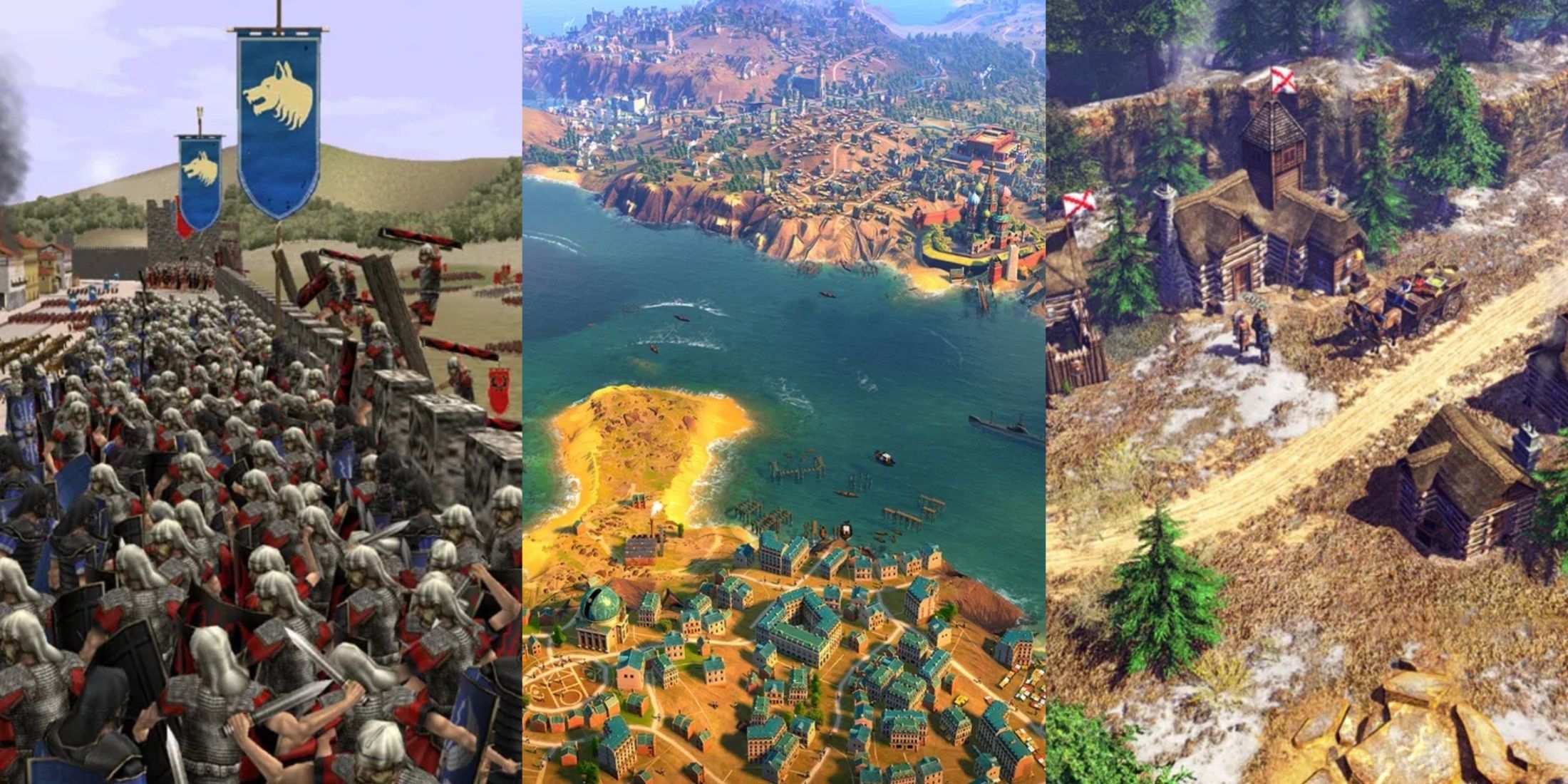
Most gamers chase reflexes, flashy graphics, or cinematic stories. But strategy games demand something deeper: patience, foresight, and the ability to adapt under pressure. On PC, where precision control and complex systems thrive, strategy games aren’t just surviving—they’re evolving. Whether you're orchestrating empire-wide conquests or managing every supply line in a war-torn continent, the best strategy games for PC reward intelligence over instinct.
Unlike console-friendly genres, PC strategy games leverage mouse-driven precision, extensive mod support, and deeper UI layers—features that make managing hundreds of units or intricate economies not just possible, but satisfying. And with genres spanning real-time, turn-based, grand strategy, and hybrid tactics, there’s a strategic challenge for every kind of thinker.
Here’s a breakdown of the most compelling strategy games for PC, categorized by gameplay style, with insights into what makes each one stand out—and where they fall short.
Real-Time Strategy: Command in the
Chaos
Real-time strategy (RTS) games require you to build, expand, and fight—all while time never stops. These titles emphasize multitasking, micro-management, and split-second decisions under pressure.
StarCraft II: The Gold
Standard of Competitive RTS
No list of PC strategy games is complete without StarCraft II. Decades after its inception, Blizzard’s sci-fi masterpiece remains the benchmark for balance, design, and esports integrity. With three asymmetrical factions—Terran, Zerg, and Protoss—each playing like entirely different games, StarCraft II forces players to master unique mechanics, unit synergies, and tech trees.
The campaign delivers Hollywood-tier storytelling across three full-length arcs, but the real magic lies in multiplayer. Ranked ladders, custom maps, and active modding keep the community alive. However, the steep learning curve can deter newcomers—expect to lose hundreds of games before grasping macro mechanics like “action per minute” (APM) efficiency.
Tip: Use the built-in AI ladder to practice against increasingly difficult bots before jumping into ranked matches.
Age of Empires IV: Historical Depth
Meets Modern Design
Age of Empires IV revives a beloved franchise with modern visuals and refined mechanics. Set across medieval history, it pits civilizations like the English, French, and Mongols against each other in large-scale conflicts. What sets it apart is its educational flavor—each era and civ is backed by historical consultants, making it as informative as it is strategic.
The game shines in its economy layer. Managing farms, trade carts, and resource drop-offs requires careful planning. But unlike StarCraft, battles are less about twitch reactions and more about positioning and unit composition.
Limitation: Multiplayer population is thinner than competitors, making ranked matchmaking slower during off-peak hours.
Turn-Based Tactics: Think Ahead, Win
Later
Turn-based games strip away time pressure, replacing it with deep tactical puzzles. These are games where one wrong move can unravel an entire campaign.
XCOM 2: Survival Through Strategy
Firaxis’s XCOM 2 is a masterclass in turn-based combat and procedural tension. As the leader of a resistance force fighting an alien occupation, you manage squad deployment, base development, and global strategy—all while operating under the constant threat of failure.
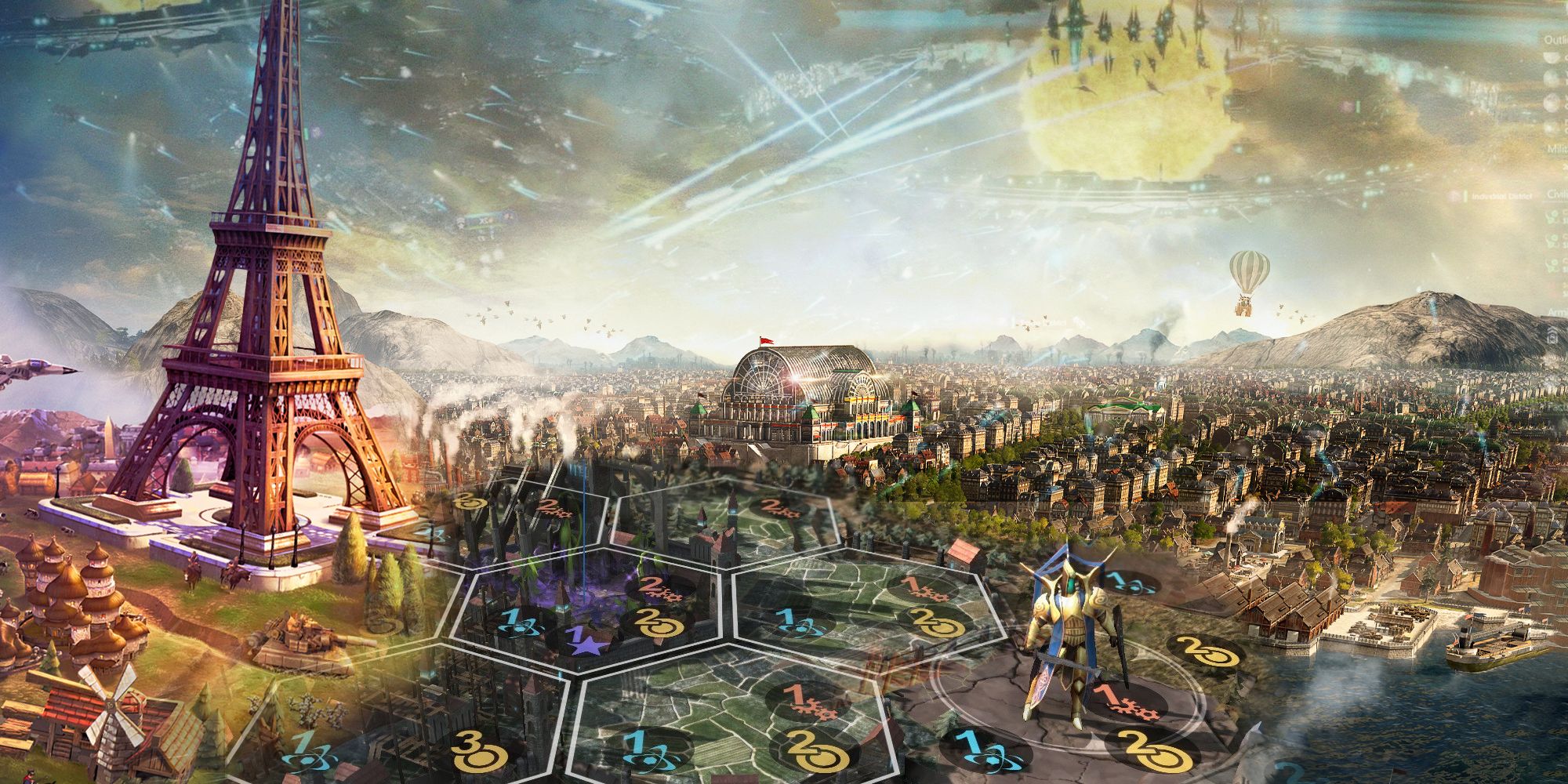
Each mission feels like a high-stakes chess match. Use cover, flanking, overwatch, and class-specific abilities to outmaneuver enemies. The game’s permadeath mechanic raises emotional stakes: losing a veteran soldier hurts, both strategically and narratively.
Workflow Tip: Always scout with a cloaked ranger or drone before advancing. Rushing leads to ambushes—and dead squads.
Mod Highlight: The “Long War” mod extends playtime from 20 to 100+ hours, adding deeper soldier customization and more complex enemy behaviors.
Civilization VI: Build an Empire
That Lasts
Sid Meier’s Civilization VI is the definitive 4X experience—eXplore, eXpand, eXploit, eXterminate. Starting with a single settler, you guide a civilization from ancient times to the space age, balancing diplomacy, science, culture, and warfare.
The district-based city planning system forces meaningful choices: you can’t plop down every building everywhere. Placing a Campus next to a mountain gives science bonuses, but what if that land is better for farms? These trade-offs define the game’s depth.
Common Mistake: Chasing military victory too early. Many new players rush to build armies, only to fall behind in tech and get crushed later.
Use Case: Perfect for “just one more turn” late-night sessions. Save-scumming is tempting but undermines the intended challenge.
Grand Strategy: Play the Long Game
Grand strategy games simulate entire nations or civilizations over decades—or centuries. These aren’t games you win in an hour. They’re projects.
Crusader Kings III: Dynasty Over
Diplomacy
Paradox Interactive’s Crusader Kings III redefines personal grand strategy. Instead of managing abstract nations, you control a dynasty—complete with marriages, betrayals, assassinations, and religious intrigue.
You might start as a minor count in 9th-century Ireland and end as Holy Roman Emperor—through cunning alliances, strategic marriages, or poisoning your way up. The game’s character-driven AI generates stories that no scripted narrative could replicate.
Strength: The event system creates emergent storytelling. One duke might fall in love with a bard, triggering a succession crisis.
Drawback: UI can feel overwhelming. Layers of menus and tooltips require time to internalize.
Europa Universalis IV: Shape the
Modern World
Another Paradox title, Europa Universalis IV spans 1444 to 1821, letting you guide any nation from obscurity to global dominance. Whether restoring the Byzantine Empire or colonizing the Americas as the Ashanti, the game rewards creative playstyles.
Trade mechanics are notoriously complex—managing trade nodes, merchants, and power projection requires spreadsheets for some players. But when your trade network finally clicks, the payoff is immense.
Pro Tip: Use save files to experiment. Try going full isolationist one game, then global trader the next.
Base Building & Survival Strategy: Survive First, Conquer Later
A newer wave of strategy games blends traditional tactics with survival mechanics. These test not just planning, but adaptability.
Frostpunk: Society on the Brink
Frostpunk isn’t just about building a city—it’s about preserving humanity in a frozen wasteland. Set in an alternate 19th century, you manage heat, food, hope, and discontent as a storm rages outside.
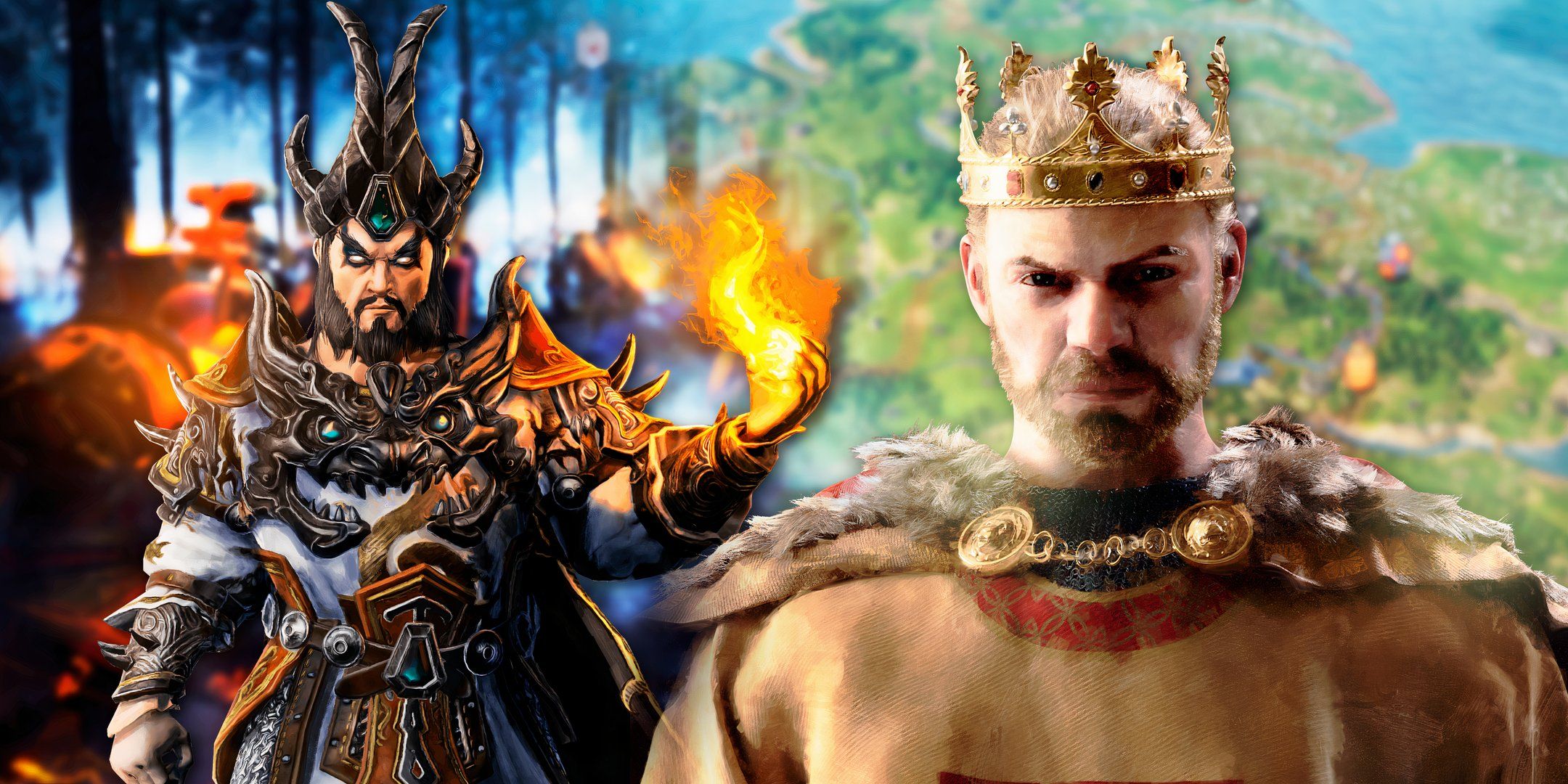
The game forces moral decisions: institute child labor to survive the cold, or risk mass starvation? There’s no “right” answer—only consequences.
Realistic Use Case: Excellent for players who enjoy dystopian themes and ethical dilemmas. Not a traditional wargame, but deeply strategic in resource allocation.
Limitation: Short campaign. Replayability comes from challenge modes and the Frostpunk 2 sequel, which adds city factions and political systems.
RimWorld: Stories Written by Systems
RimWorld is a colony sim driven by AI storytelling. Three survivors crash on a hostile planet. From there, the game generates narratives based on needs, relationships, and random events—like a raid during a blizzard or a love triangle turning violent.
The UI is sparse, and combat can feel clunky, but the depth of simulation is unmatched. Every decision ripples: overhunting depletes wildlife, poor food variety lowers morale, and untreated injuries lead to infections.
Mod Essential: “RimPy” mod manager is nearly mandatory for accessing quality-of-life mods.
Top 5 Strategy Games for PC: Quick
Comparison
| Game | Genre | Learning Curve | Replayability | Best For |
|---|---|---|---|---|
| StarCraft II | RTS | Steep | High | Competitive players |
| Civilization VI | 4X Turn-Based | Moderate | Very High | Empire builders |
| XCOM 2 | Turn-Based Tactics | Moderate | High | Tactical depth lovers |
| Crusader Kings III | Grand Strategy | High | Extreme | Narrative-driven players |
| RimWorld | Survival Strategy | Moderate | Infinite (with mods) | Story seekers |
How to Choose the Right Strategy Game for You
Not all strategy games serve the same need. Ask yourself:
- Do you want fast-paced action or slow planning? → RTS vs. turn-based
- Do you care more about control or story? → Grand strategy vs. tactical RPGs
- Are you playing to win or to experience? → Competitive titles vs. narrative-driven ones
If you’re new, start with Civilization VI or XCOM 2, both offering tutorials and scalable difficulty. Veterans might dive into Crusader Kings III or modded RimWorld for deeper challenges.
Avoid the trap of chasing “best” games without matching them to your playstyle. Loving history? Age of Empires IV. Enjoy psychological tension? Frostpunk. Want endless emergent stories? RimWorld.
The Future of Strategy on PC
Cloud saves, mod integrations, and AI-assisted design are reshaping strategy games. Upcoming titles like Humankind and Old World experiment with blending turn-based structure with real-time elements. Meanwhile, Paradox continues refining its grand strategy formula with live updates and community co-development.
One trend is clear: the best strategy games now prioritize player agency and emergent storytelling over scripted outcomes. They’re less about winning and more about how you play.
PC remains the only platform with the input precision, modding tools, and community infrastructure to support this evolution. Consoles may get ports, but the depth—and the audience—is on PC.
Play Smart, Not Just Hard
Strategy games for PC aren’t about mindless domination. They’re about thinking ahead, learning from failure, and adapting. Whether you’re managing a squad in XCOM 2 or navigating court intrigue in Crusader Kings III, the real victory is in the growth.
Pick a game that matches your patience, your curiosity, and your desire for control. Then dive in. Save often. Learn from mistakes. And remember: the best strategies aren’t just effective—they’re memorable.